


How Fashion Retailers Use Analytics to Improve Merchandising and Conversion
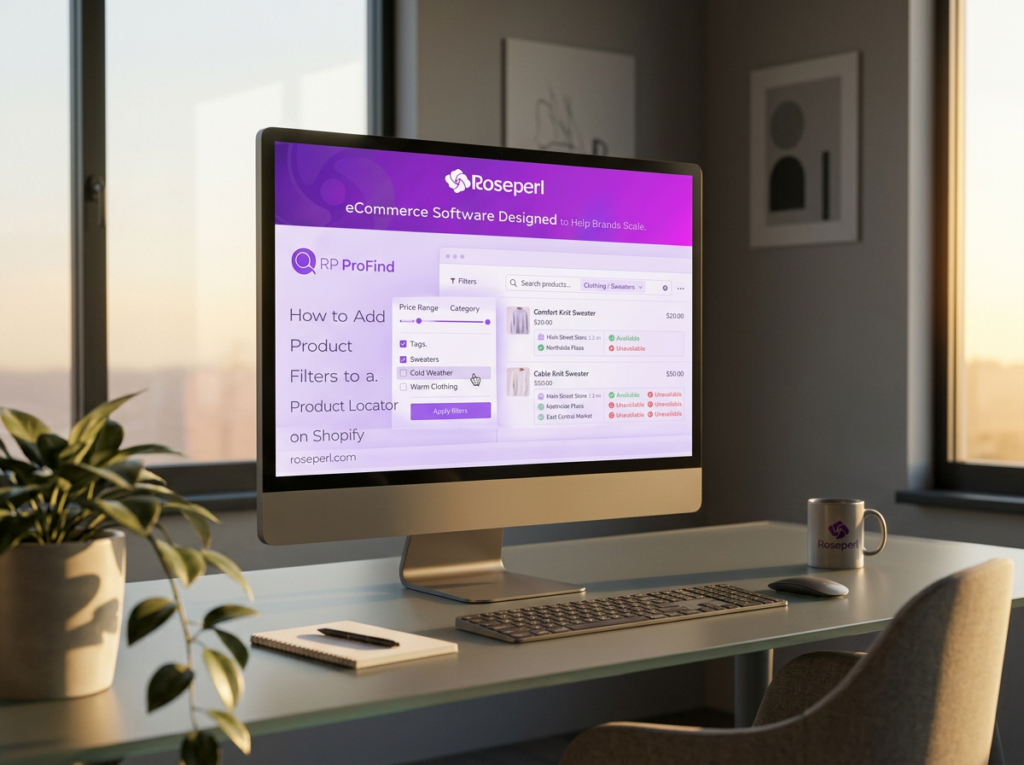
Most fashion retailers spend hours guessing what their customers want. This guesswork leads to missed sales and excess inventory. Using fashion ecommerce analytics changes the game by providing clear insights into assortment planning, pricing, and customer behavior. In this post, you’ll see how data can boost your merchandising optimization and conversion rate optimization with practical tools from Rose Perl Technology.
Harnessing Fashion Ecommerce Analytics
To thrive in today’s competitive market, understanding and utilizing fashion ecommerce analytics is crucial. These insights empower you to make informed decisions, ultimately improving your bottom line.
Understanding Merchandising Optimization
Merchandising optimization focuses on aligning your product offerings with customer demand to boost sales. By analyzing data, you can ensure that the right products are available at the right time and place. This involves understanding trends and customer preferences, allowing you to adjust your inventory accordingly. A well-optimized merchandising strategy reduces overstock and prevents stockouts, enhancing customer satisfaction and increasing profitability.
Enhancing Conversion Rate Optimization
Conversion rate optimization (CRO) is all about turning more visitors into buyers. By studying user behavior on your site, you can identify pain points and areas for improvement. This might include streamlining the checkout process, enhancing product descriptions, or improving site navigation. Effective CRO strategies are data-driven and focus on removing barriers to purchase, ultimately increasing your sales and customer retention rate.
Key Analytics Tools for Retailers
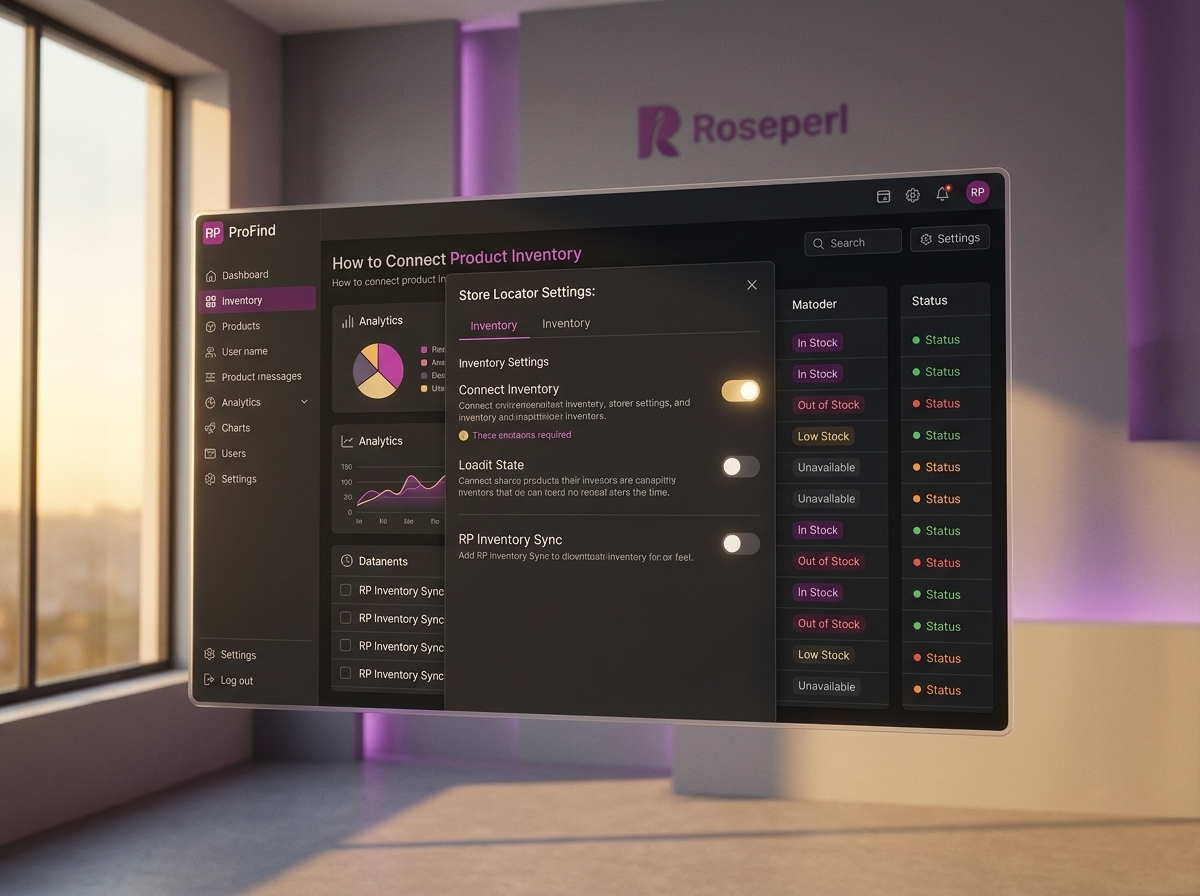
To leverage these strategies, retailers must use the right tools to gather and analyze data effectively. Let’s explore some key analytics tools.
Assortment Planning Analytics Explained
Assortment planning analytics helps you determine which products to stock and in what quantities. By analyzing sales data and trends, you can curate an inventory that meets customer demand while minimizing excess stock. This tool helps you identify bestsellers and underperformers, allowing you to make data-backed decisions about your product lineup.
Importance of Size Curve Analysis
Size curve analysis is crucial for understanding the distribution of sales across different sizes for a particular product. This analysis ensures that you stock the right sizes based on demand, reducing both overstock and lost sales. By aligning inventory with actual size demand, you enhance customer satisfaction and optimize your inventory investment.
Leveraging Sell-Through Rate and Inventory Accuracy
Sell-through rate measures the percentage of inventory sold over a period, providing insights into product performance. High sell-through rates indicate popular items, while low rates suggest the need for promotional strategies or adjustments. Coupled with accurate inventory tracking, you can maintain optimal stock levels, reducing holding costs and improving cash flow.
Rose Perl Solutions for Omnichannel Success
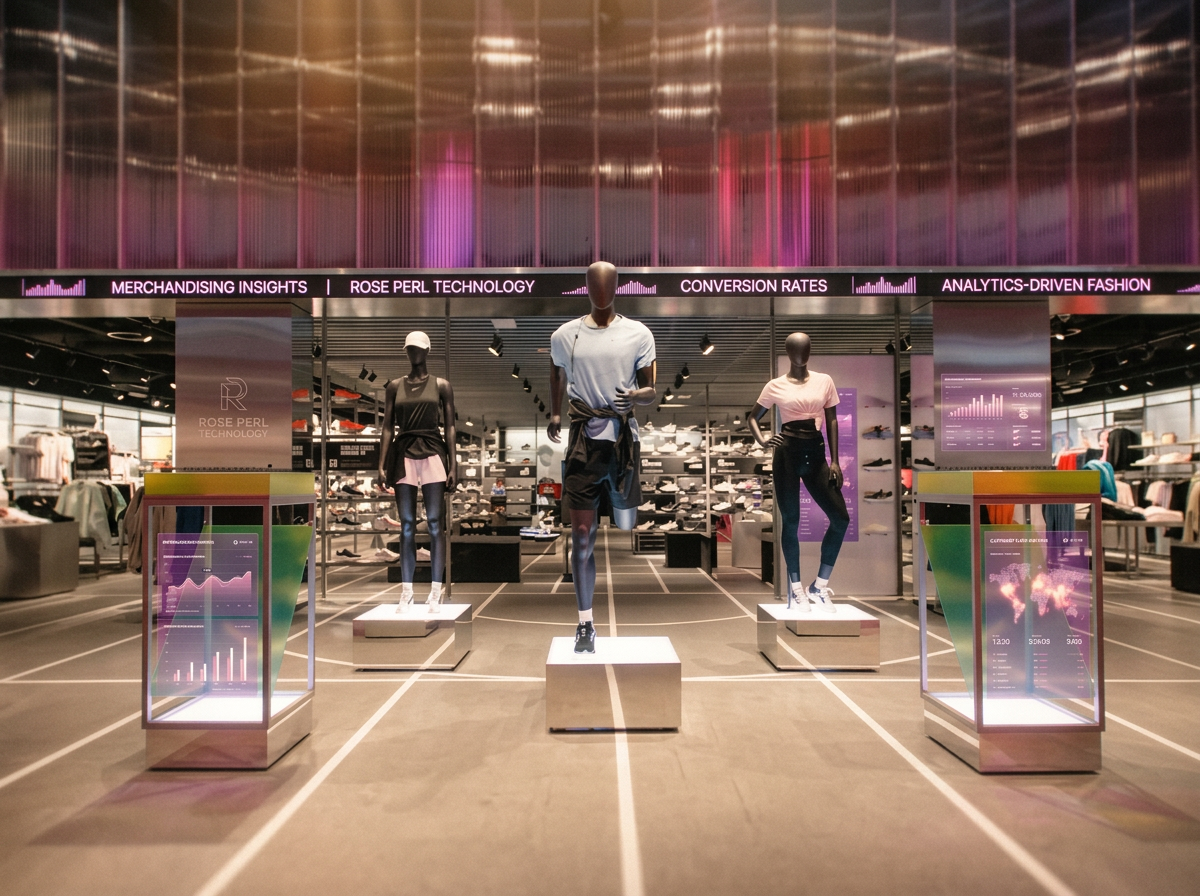
Rose Perl Technology offers innovative solutions to help you succeed in an omnichannel retail environment.
Utilizing ProPickup and BOPIS Analytics
ProPickup and Buy Online, Pick Up In-Store (BOPIS) analytics offer insights into customer preferences for purchasing and receiving goods. These tools allow you to optimize inventory allocation across locations, ensuring that popular items are available for immediate pickup. By catering to customer convenience, you enhance the shopping experience and drive repeat business.
Power of Store Locator and Product Locator Apps
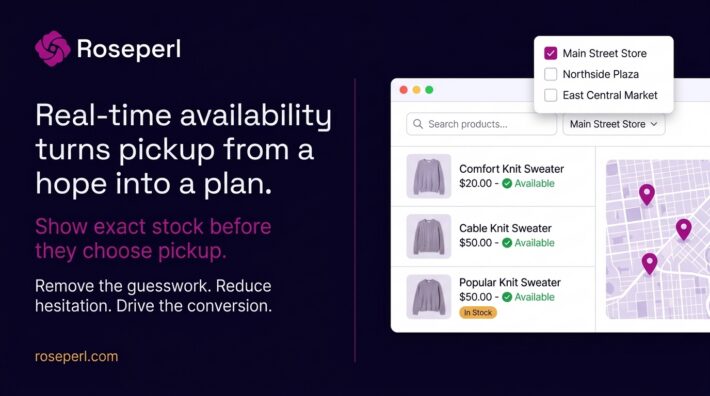
Store locator and product locator apps help customers find nearby stores with available stock quickly. These tools eliminate the frustration of searching multiple locations, improving customer satisfaction. By providing real-time stock visibility, you guide customers from online browsing to in-store purchase seamlessly.
Real-Time Inventory and Geo-Demand Analysis
Real-time inventory analysis ensures your stock levels are always up-to-date, allowing you to respond swiftly to changes in demand. Geo-demand analysis further enhances this by providing insights into regional product preferences, enabling you to tailor offerings based on local trends. This data-driven approach ensures your inventory meets market demands efficiently.
Frequently Asked Questions
What is fashion ecommerce analytics?
Fashion ecommerce analytics involves using data to understand customer behavior, optimize inventory, and improve sales strategies in the fashion retail sector. It helps retailers make informed decisions to enhance profitability.
How does merchandising optimization benefit retailers?
Merchandising optimization aligns product offerings with customer demand, reducing overstock and stockouts. This leads to increased customer satisfaction and profitability by ensuring the right products are available at the right time.
Why is conversion rate optimization important?
Conversion rate optimization focuses on turning more visitors into buyers by improving the user experience. It removes barriers to purchase, increasing sales and customer retention.
What role do assortment planning analytics play?
Assortment planning analytics help retailers determine which products to stock and in what quantities. This ensures inventory aligns with customer demand, minimizing excess stock and optimizing sales potential.
How do store locator apps enhance customer experience?
Store locator apps guide customers to nearby stores with available stock, improving satisfaction by providing real-time visibility. This seamless transition from online browsing to in-store purchase enhances the overall shopping experience.
Unlock powerful insights with our new analytics tool specifically for growing eCommerce brands


 English
  French
  Spanish
  German
  Portuguese
  Italian